Nature discovery
Canyoning in Ain and Jura is much more than a sport: it's a true immersion in the heart of nature. As a canyoning instructor, I invite you to discover preserved environments where water, rock and wildlife coexist in perfect harmony. Each outing is a unique opportunity to explore wild canyons and observe the natural richness of these exceptional territories.
An open book on time
When canyoning in Ain and Jura, you're not just moving through a river: you're exploring a real open-air book of nature. Canyons have been carved from rock for thousands of years by water. Here, the rock is mainly limestone, a light stone that water has slowly shaped to form gorges, waterfalls and natural pools.

Water sometimes takes thousands of years to carve a canyon in limestone.
Limestone was once formed at the bottom of the sea, from very old shells.
Mosses and ferns don't need much soil to grow: they love the humidity of canyons.
Aquatic wildlife
Canyon treasures
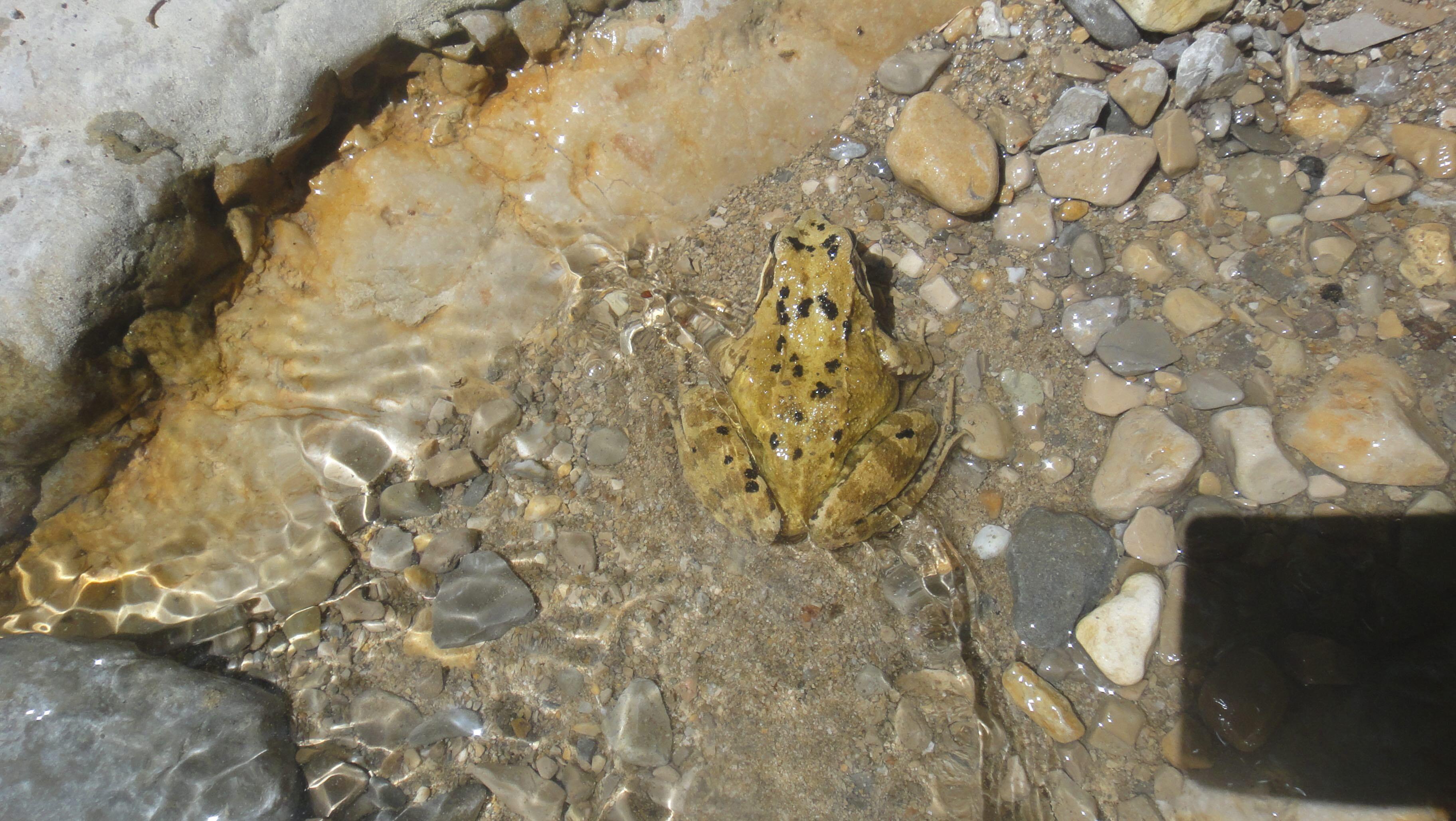
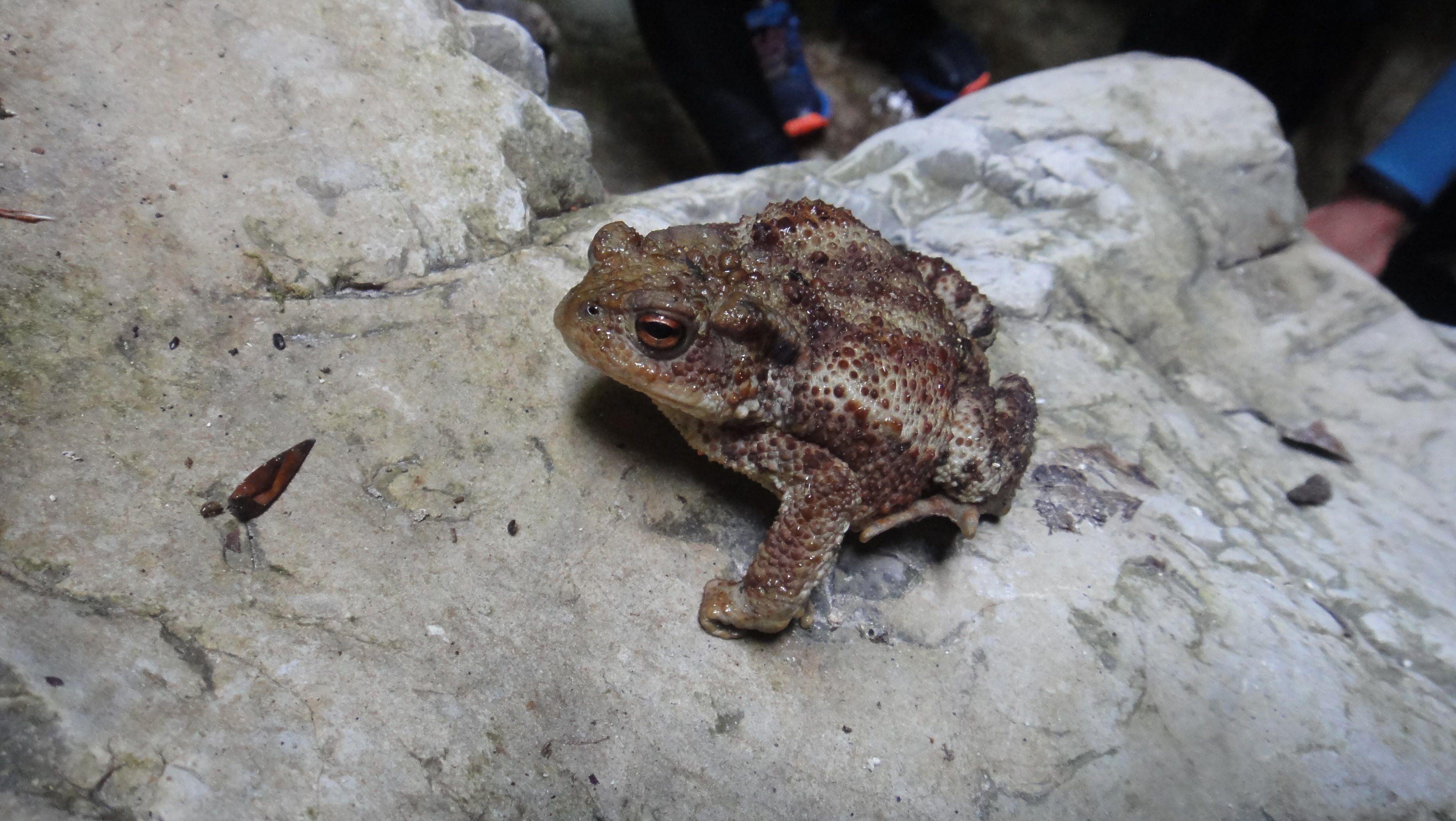
The frog
The frog lives near water, in rivers, pools and calm areas of the canyons of Ain and Jura. It needs clean water to live and reproduce. Thanks to its thin skin, it partly breathes through water, making it very sensitive to pollution. Spotting a frog while canyoning is a good sign for nature.
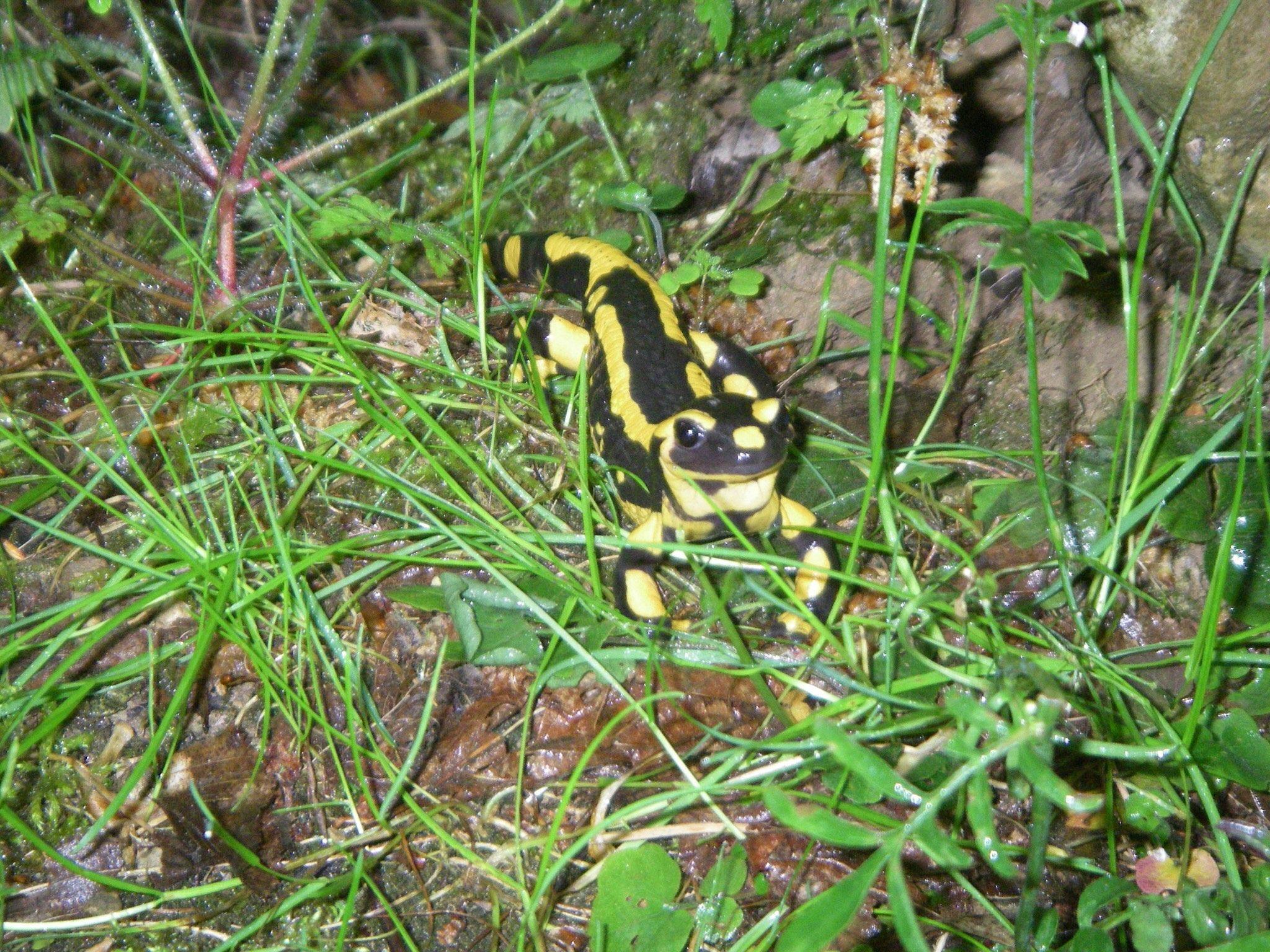
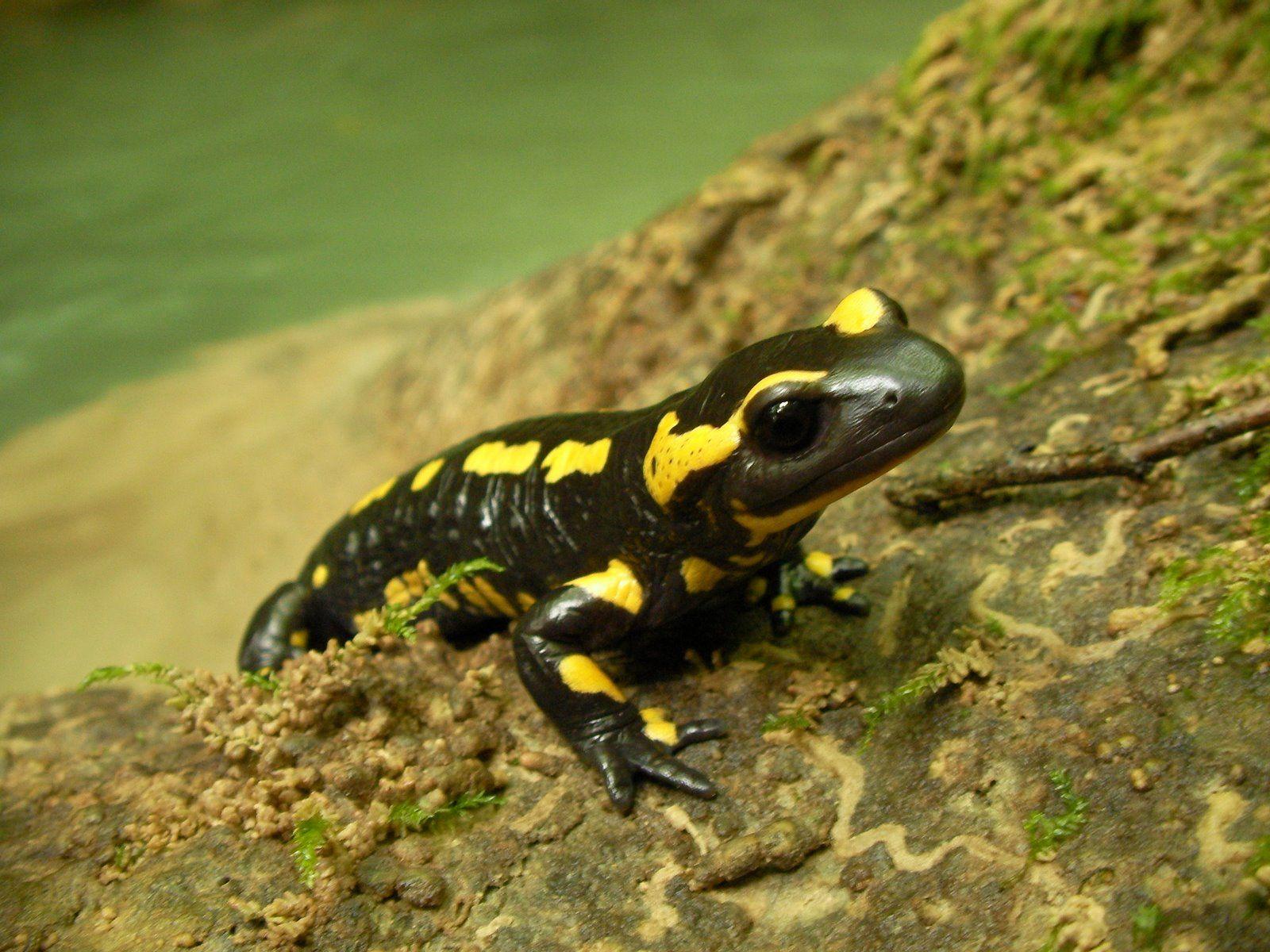
The salamander
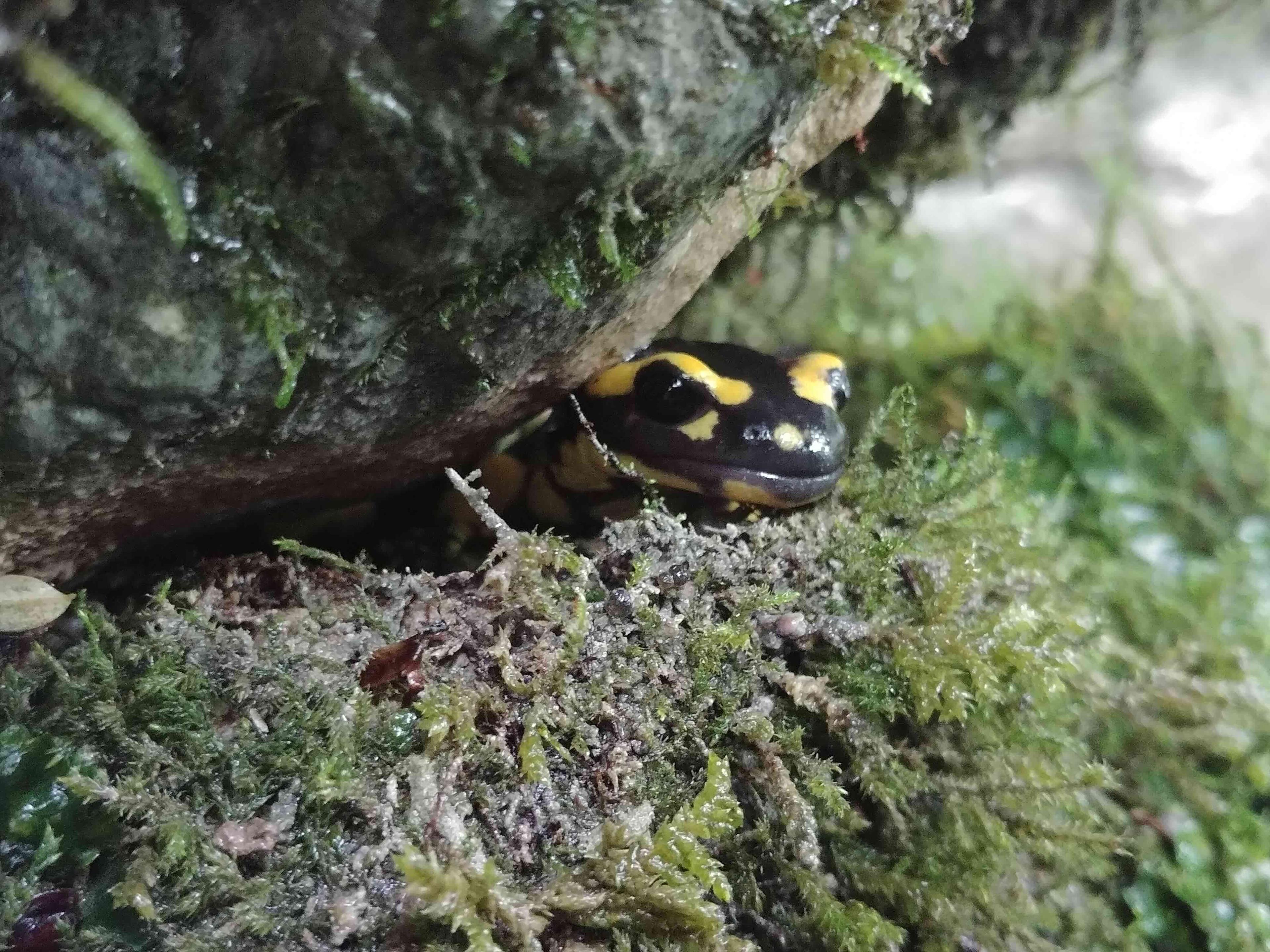
The salamander is a discreet amphibian that lives in humid environments and forests near rivers. Very sensitive to pollution and disturbance, it's an excellent indicator of environmental quality. It's important to observe it carefully and always gently return it to its natural habitat.
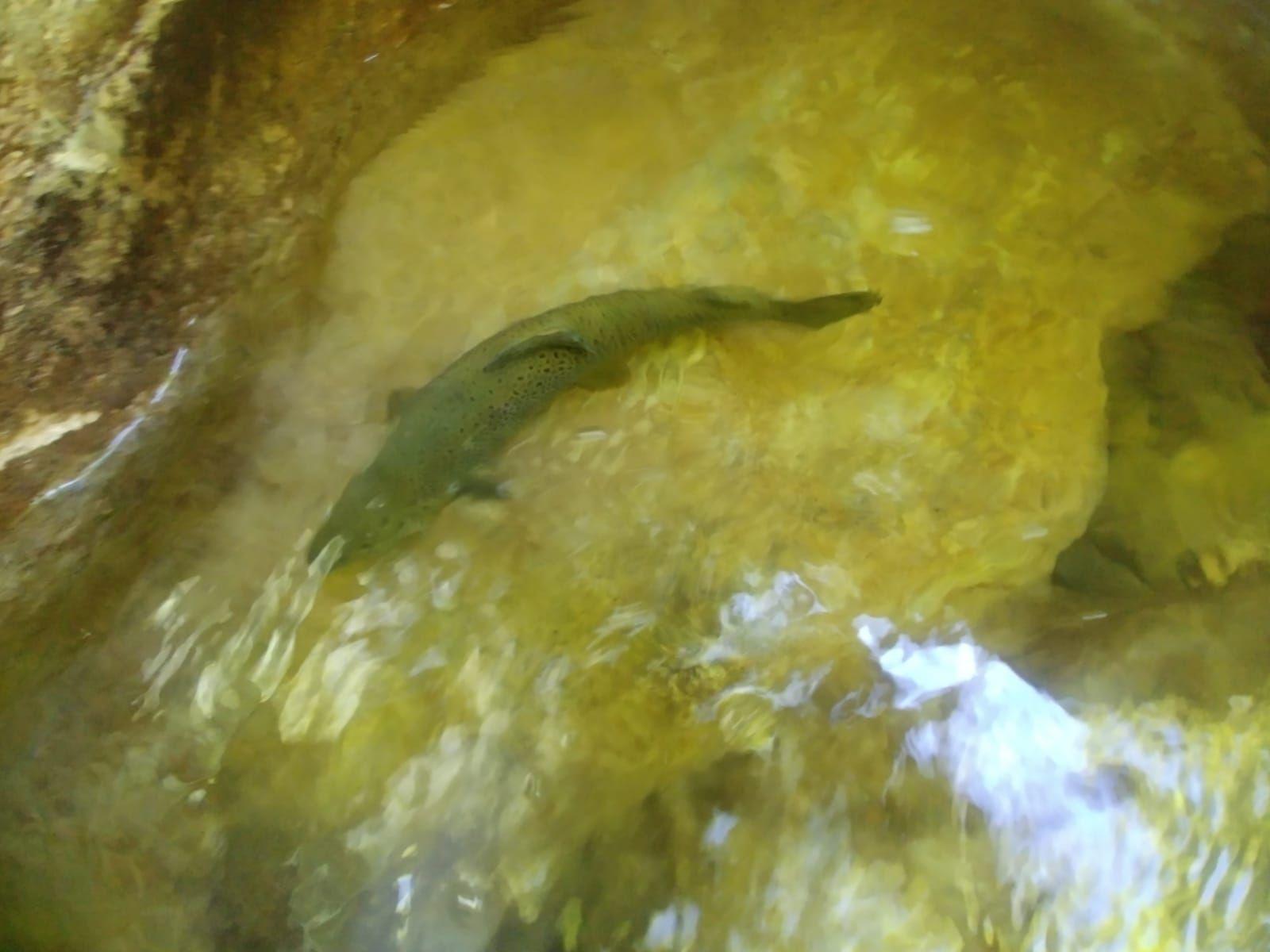
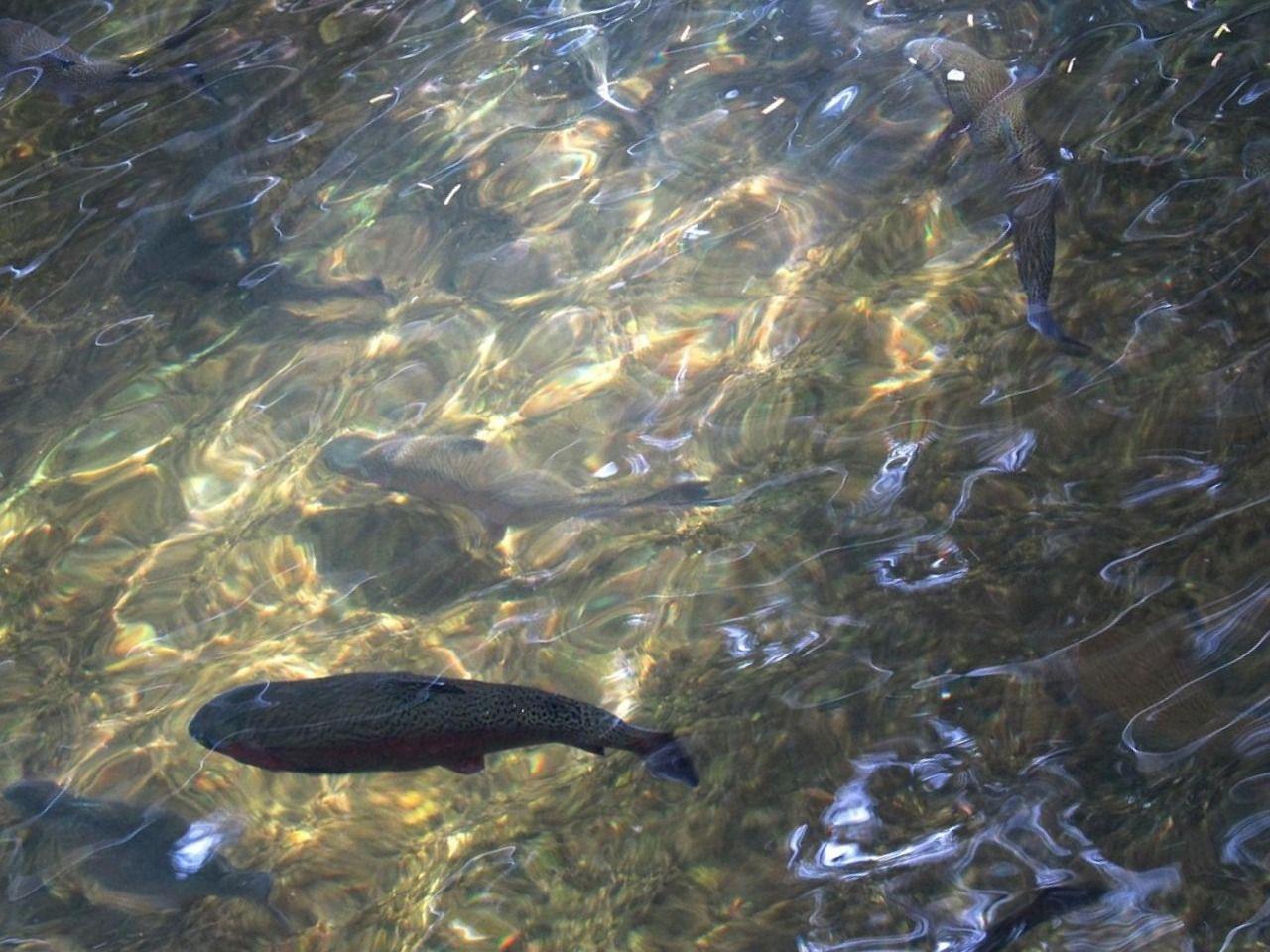
The brown trout
The brown trout is a fish typical of the cold, well-oxygenated rivers of Ain and Jura. It mainly lives in fast-flowing streams, feeding on aquatic invertebrates and small fish. Sensitive to pollution and environmental changes, the brown trout is an excellent indicator of river ecological quality.
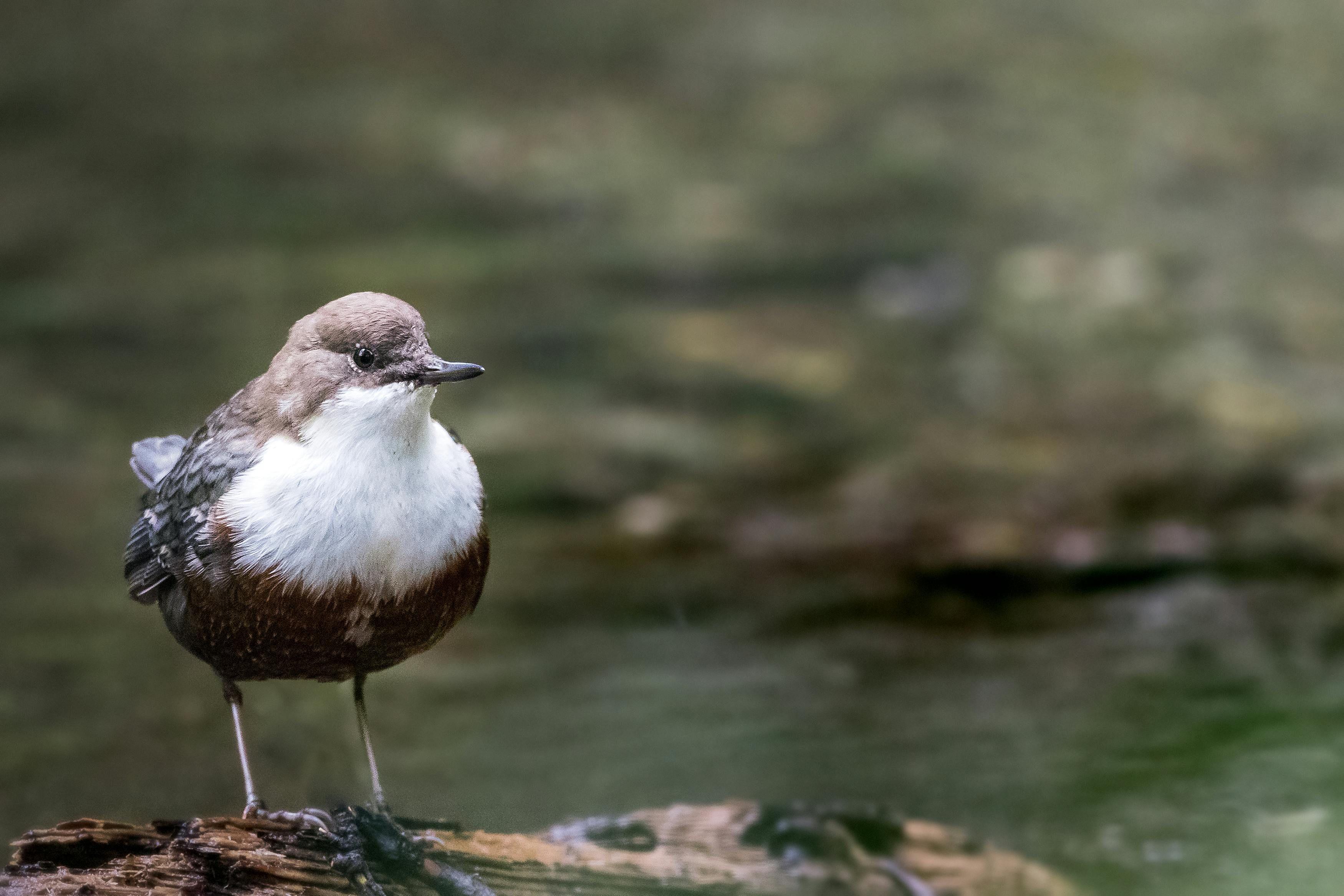
The white-throated dipper
The white-throated dipper is an iconic bird of the canyons of Ain and Jura. Capable of diving and walking underwater, it feeds on small aquatic insects. It builds its nest near water, often under a bank or waterfall. The presence of this species is an excellent biological indicator of healthy rivers.
Wild flora
Canyon treasures
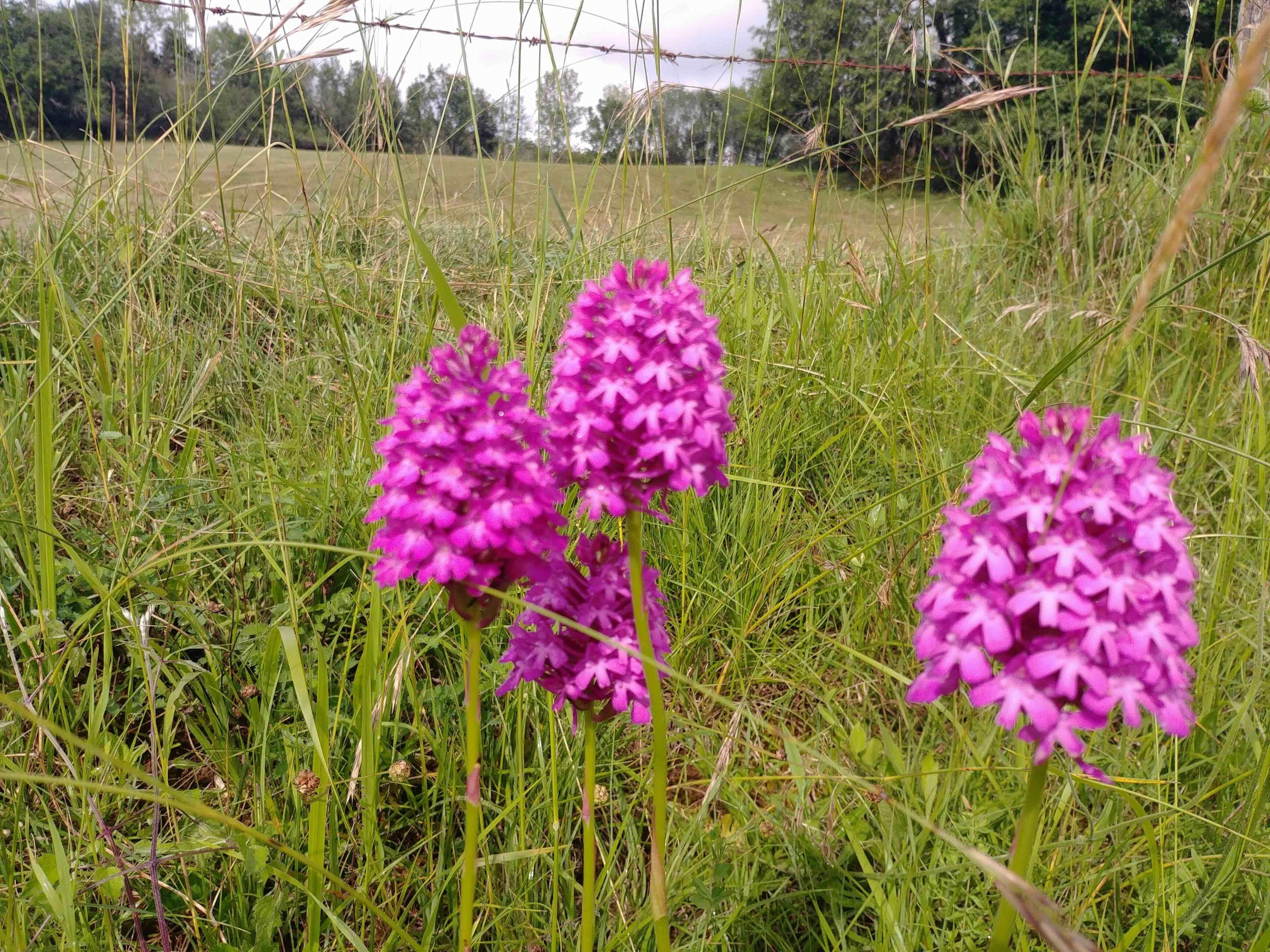
The wild orchid
This wild orchid is a plant typical of the natural meadows of Ain and Jura. It grows on poor, calcareous soils and lives in association with soil fungi. A protected species, it is sensitive to environmental changes: observing it without picking it helps preserve the balance of local ecosystems.
Geology & Fossils
Canyon treasures
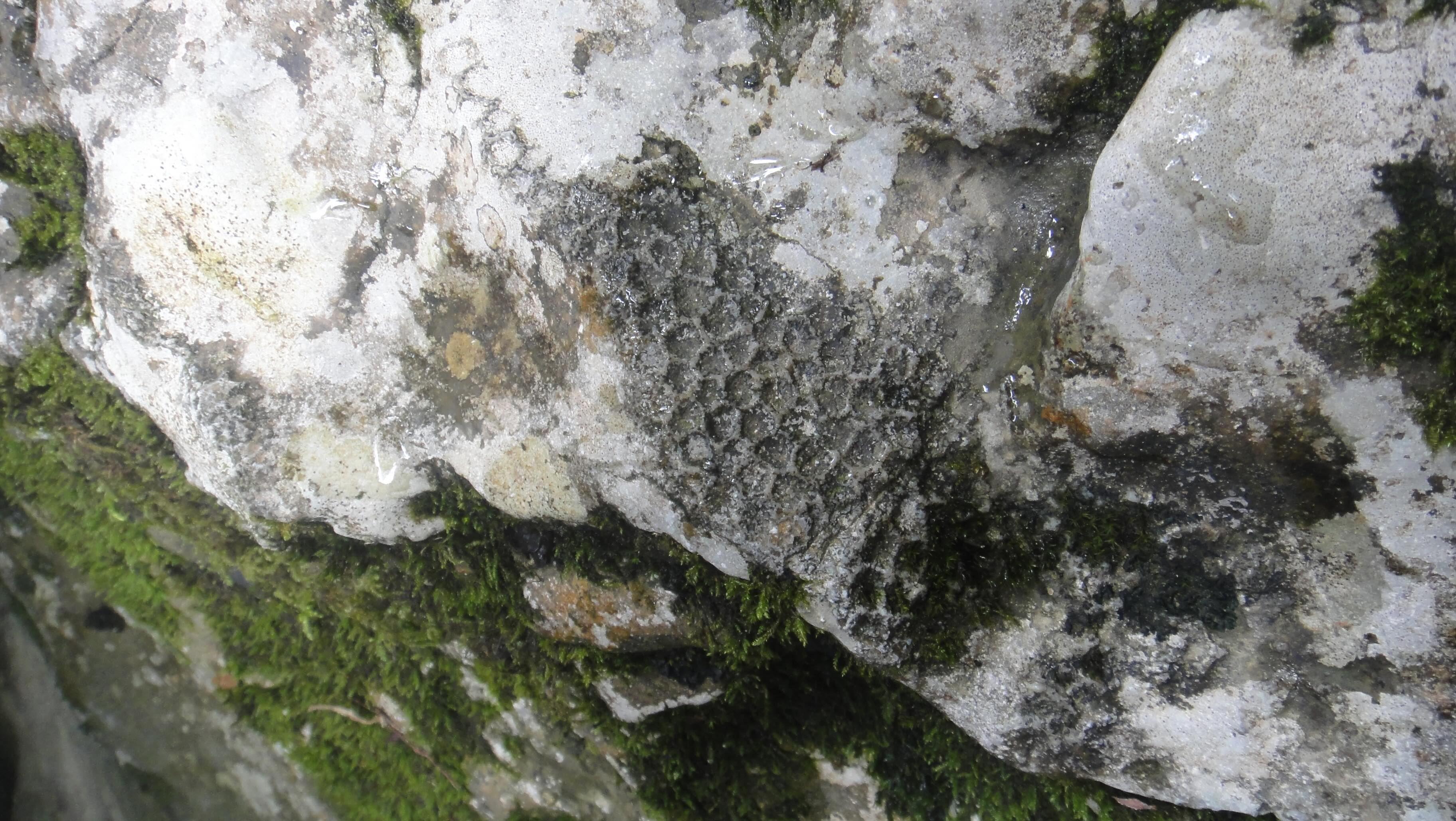
Coral fossil
This coral fossil comes from marine corals that lived in the Ain and Jura region during the Jurassic period, about 150 to 200 million years ago. The calcareous skeletons of these organisms were deposited in marine sediments, then petrified over time.
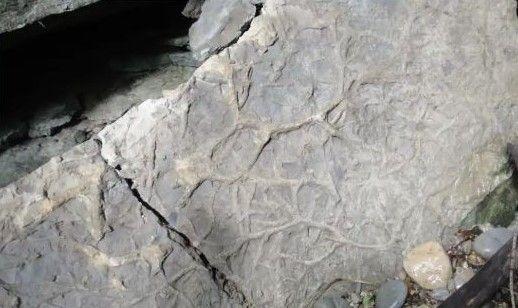
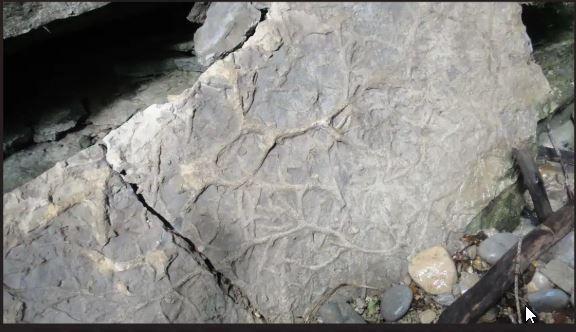
Mud worm fossil
This fossilised rock bears the trace of mud worms that lived here millions of years ago, when the region was covered by sea. By moving through the mud, these animals left galleries that turned into fossils visible today in the limestone.
Aquatic larvae
Canyon treasures
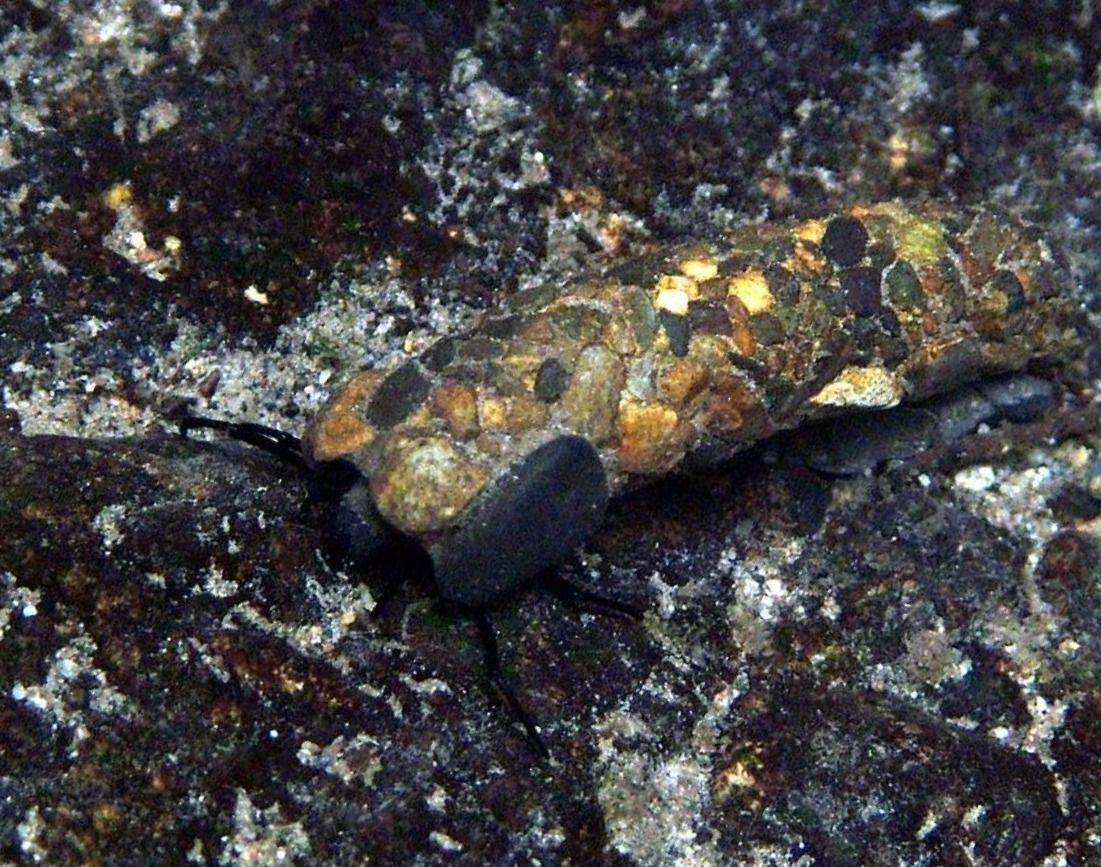
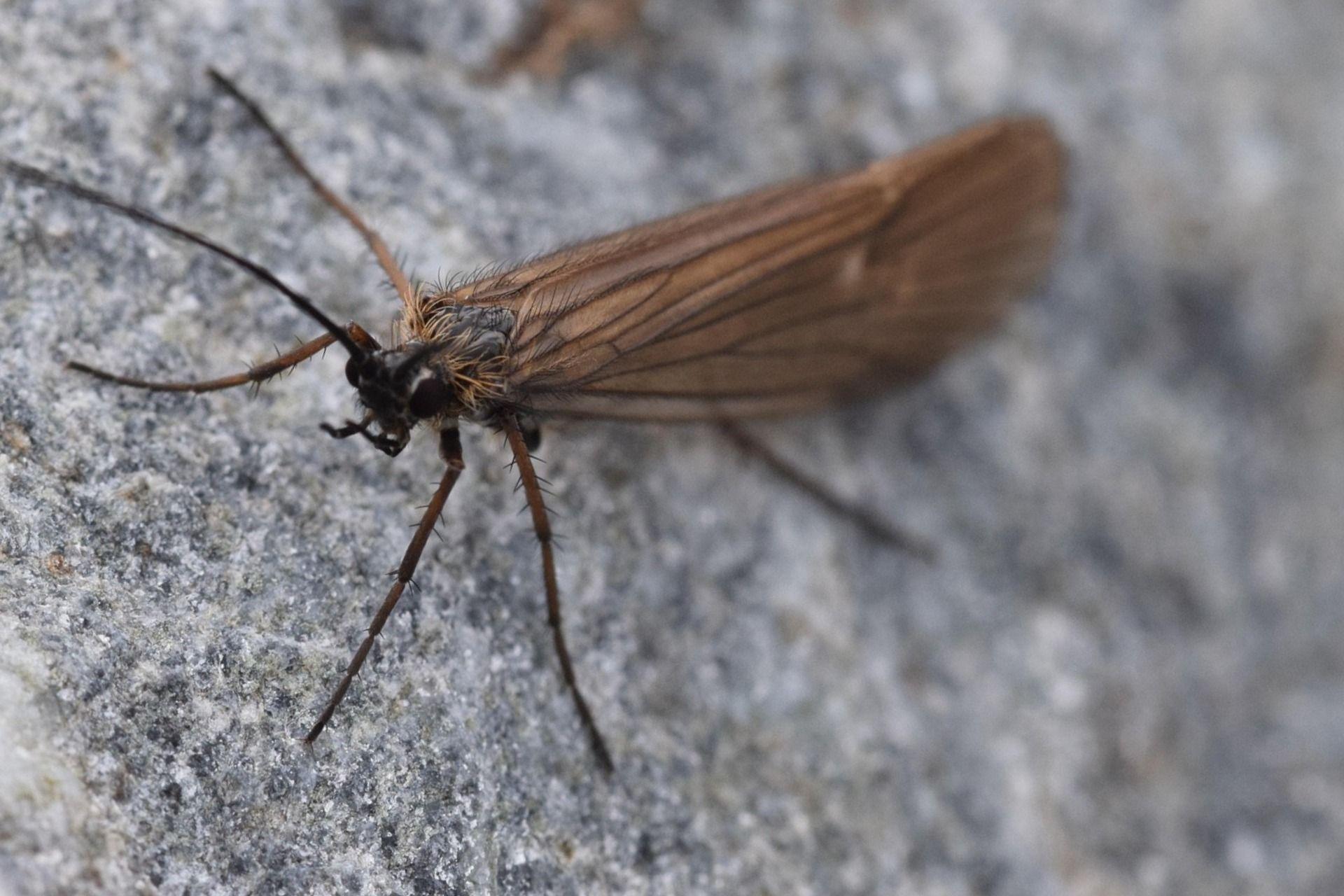
Caddisfly larvae
Small aquatic larvae often protected by a small case of sand or plant material. They move slowly under stones and participate in the river food chain. They live in clean water and are an excellent indicator of water quality. Some species build real tubes with natural materials.
Did you know?
✨ Fascinating behavior: Some species build real tubes or cases using natural materials, showing ingenious behavior that is unique among aquatic insects. ✨ Role in the ecosystem: Despite being discreet, the adult caddisfly is an important food source for fish, birds, and other insects, thus contributing to the ecological cycle of the river.
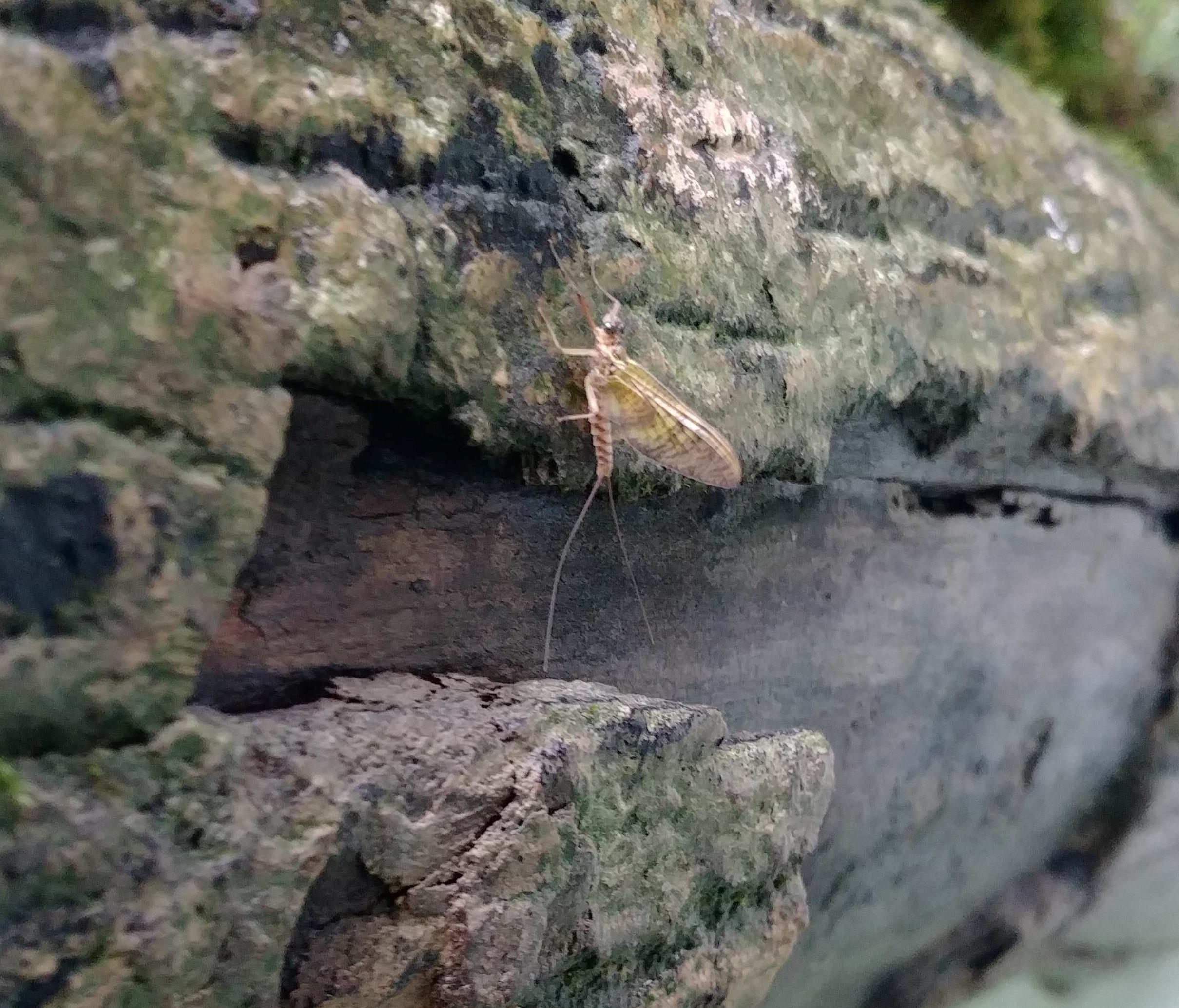
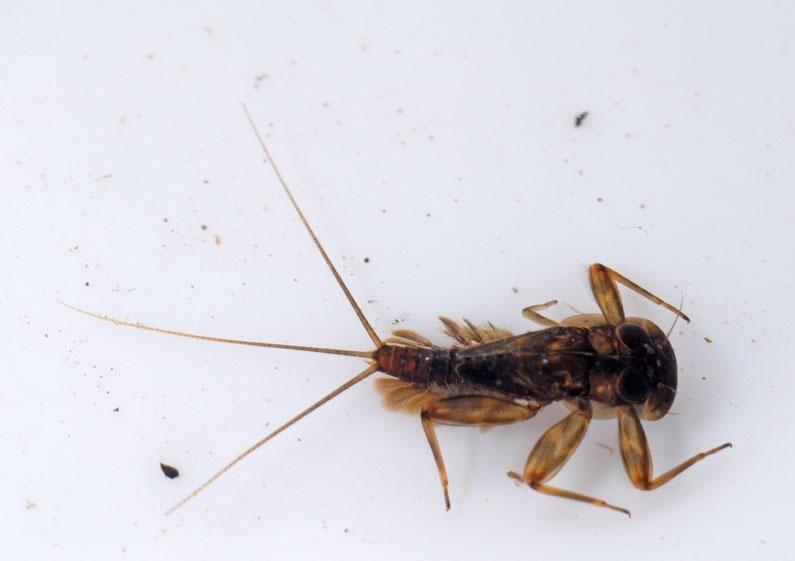
Mayfly larvae (ephemera)
The mayfly larva is a very common insect in the canyons of Ain and Jura. It lives in clean, fresh, well-oxygenated water, often hiding under stones. Its thin, elongated body, equipped with rear filaments, allows it to resist the current. Very sensitive to pollution, its presence indicates good aquatic health.
Did you know?
💧 Habitat: It lives in clean, cool, well-oxygenated water, often hiding under stones or among gravel. 🌿 Quality indicator: Very sensitive to pollution, its presence indicates a healthy aquatic environment and good water quality.
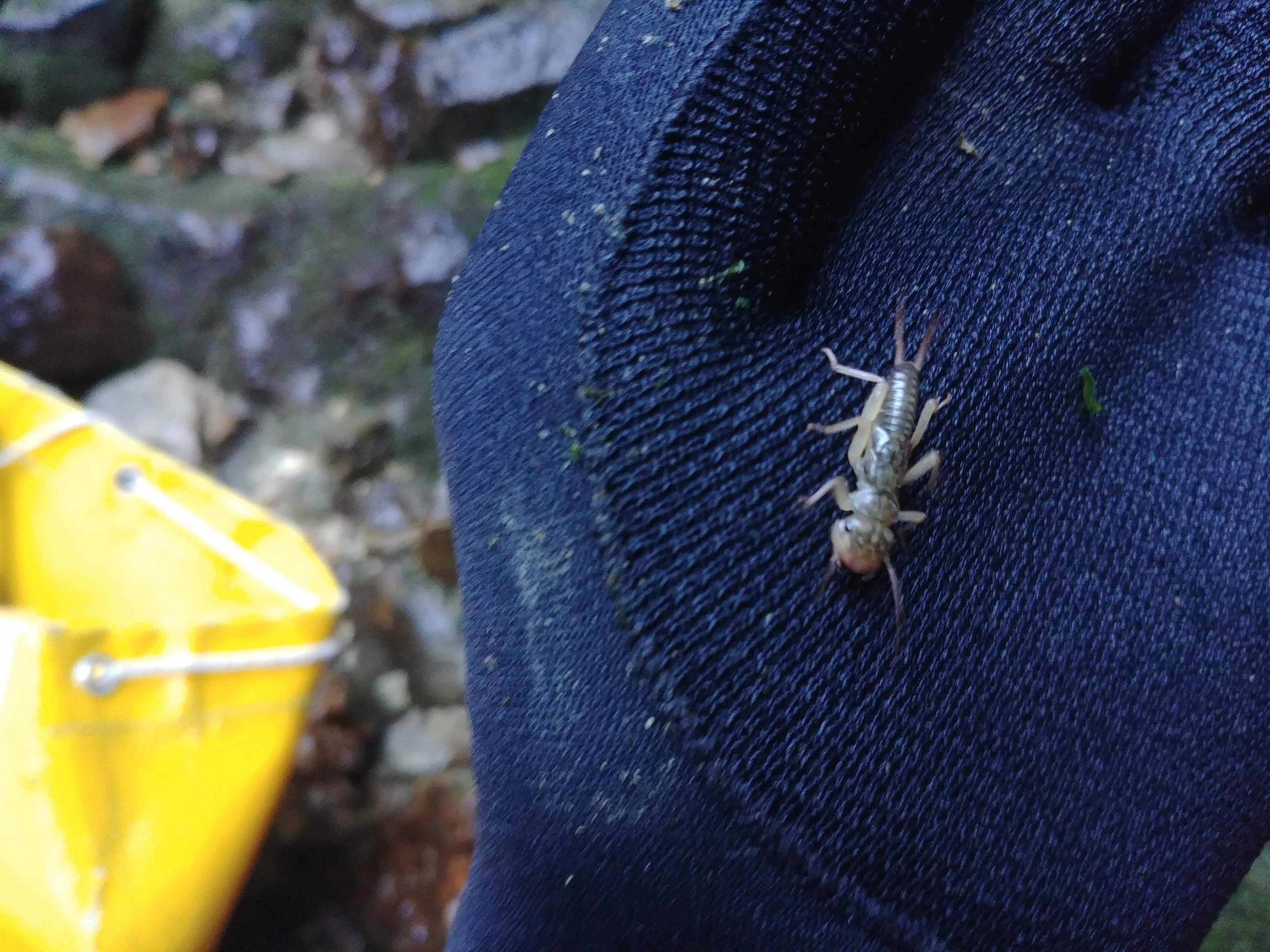

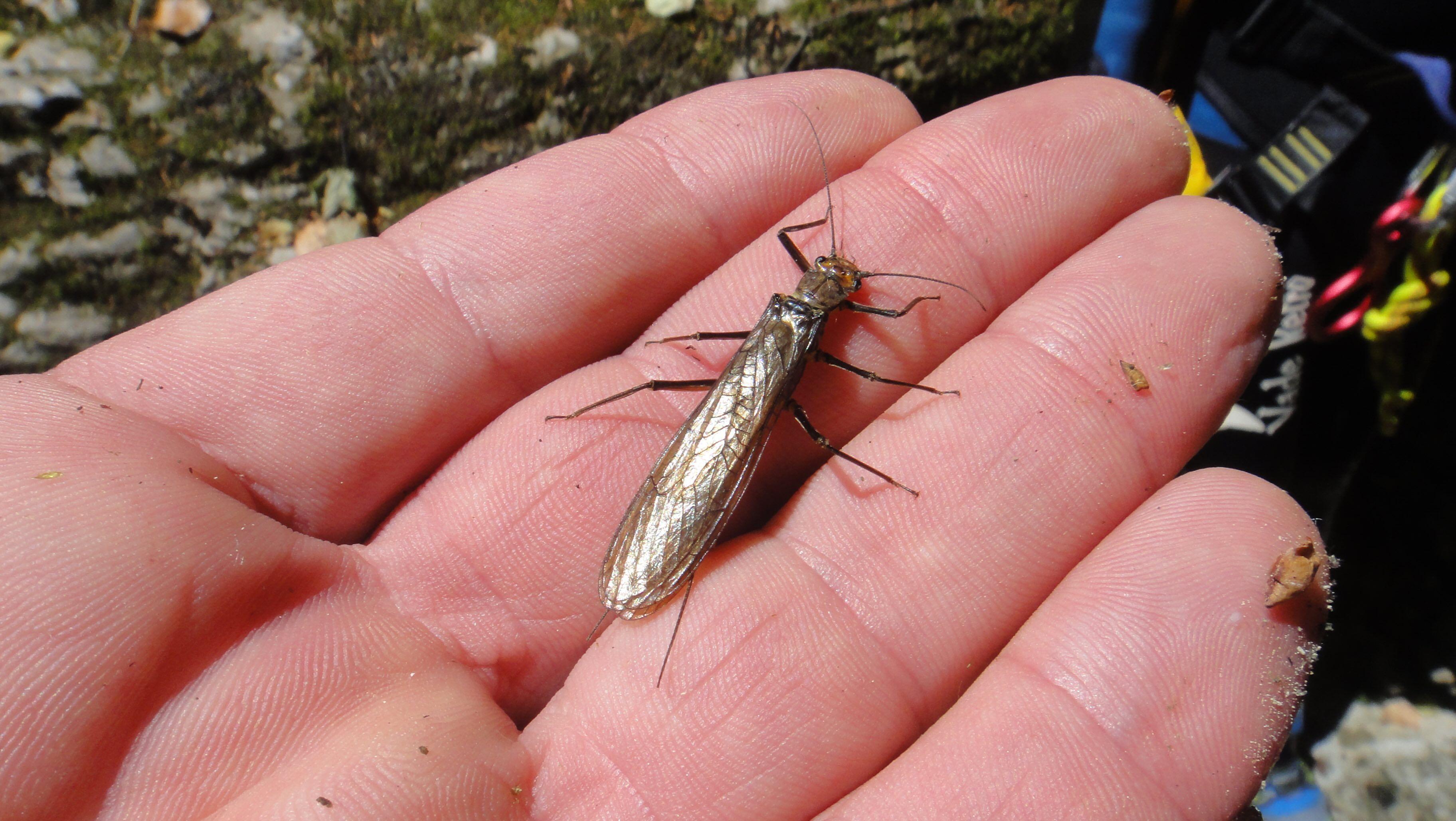
Stonefly larvae (water pearls)
Elongated and segmented larvae, sometimes with small respiratory filaments. Active in running water, they hide under stones. The adult is called a 'stone butterfly'. It's a rather rare insect today, as it's very sensitive to pollution. It only lives in very clean, well-oxygenated water.
Did you know?
💧 Pure habitat: It lives only in very clean, well-oxygenated water, often clear and sparkling, reminiscent of pearls. 🌿 Precious species: Rare and fragile, it exists only in very high-quality rivers, reinforcing the image of a natural treasure that must be protected.
Book your outing
Book and pay online, or contact us directly by phone or email to organize your next adventure.